
Resources
All our latest audiology news and views in one place.
UK Hearing Care: What's Changing in 2026
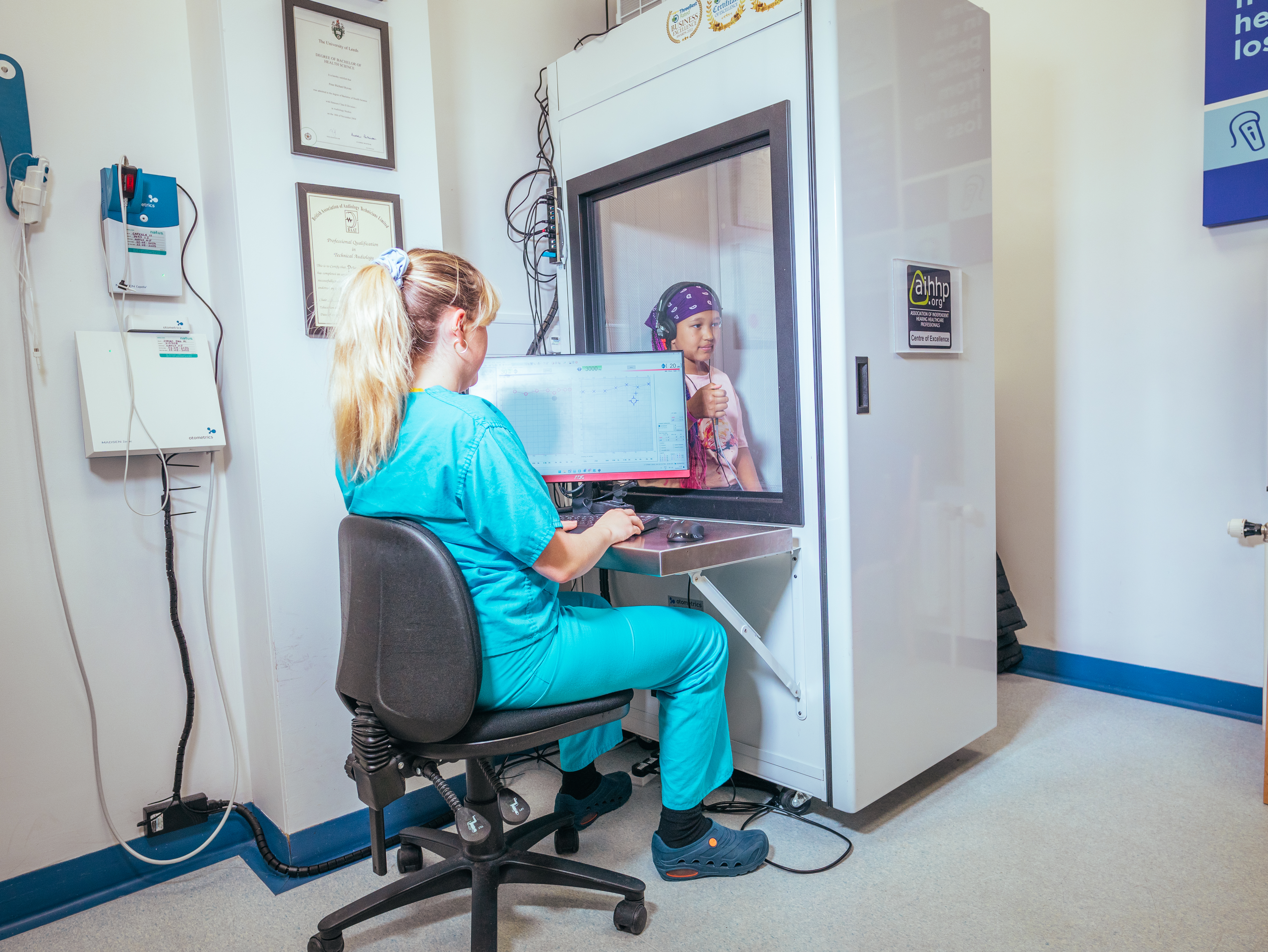
Hearing care in the UK is shifting — and rapidly. From NHS reform and long waiting lists to breakthrough research happening right here in Sheffield, 2025 and 2026 are shaping up to be pivotal years for audiology. Whether you're currently managing a hearing condition or simply want to understand the bigger picture, here's everything you need to know about what's happening in UK hearing care — and what it means for you.
The NHS Audiology Crisis
For many people, the route to hearing care has traditionally started with the NHS. But across the UK, that pathway is under increasing pressure. Audiology waiting lists have grown significantly, with some areas — including Doncaster — experiencing serious service failures. NHS audiology services in Doncaster were suspended following safety concerns, leaving both children and adults facing extended delays for hearing assessments they urgently needed.
In response, the NHS is redesigning how audiology services are delivered. The move is away from large hospital-based departments and towards community hubs — smaller, more accessible settings closer to where patients live. Wales has already launched a programme of radical reform along these lines, with the aim of cutting waiting times and improving access for people who have historically struggled to get seen quickly.
It's a step in the right direction. But for many people, these changes won't come quickly enough — and in the meantime, the consequences of delayed hearing care can be significant.
Why Waiting Isn't an Option
The research is clear: when hearing loss goes unaddressed, the impact goes well beyond difficulty following a conversation. Untreated hearing loss has been consistently linked to increased social isolation, a higher risk of falls, and — perhaps most significantly — an elevated risk of cognitive decline and dementia.
Early intervention is key. The sooner hearing loss is identified and addressed, the better the long-term outcomes across all of these areas. This is why access to timely, professional hearing assessments matters so much — and why community-based independent audiology clinics play such a vital role at a time when the NHS is stretched.
At Byrom Audiology, there are no waiting lists and no referrals required. If you're concerned about your hearing, you can book directly and be seen promptly. That accessibility isn't just a convenience — for many patients, it can genuinely make a difference to their overall health and quality of life.
Breakthrough Research: Sheffield Leading the Way
One of the most exciting developments in hearing care right now is happening right here in Sheffield. Rinri Therapeutics, a Sheffield-based biotech company, is leading the world's first clinical trials for a cell therapy called Rincell-1, designed to repair damage to the auditory nerve — the cause of sensorineural, or nerve-related, hearing loss.
This is the kind of hearing loss that has traditionally been considered permanent. The auditory nerve doesn't regenerate on its own, and while hearing aids can help manage the condition, they don't address the underlying damage. Rincell-1 represents a genuine attempt to change that — and the fact that Sheffield is at the forefront of this research is something worth celebrating.
It's early days, and clinical trials take time. But this research signals a shift in how the medical community is approaching hearing loss — from management to potential treatment at the root cause.
Technology Making Hearing Tests More Accessible
Technology is also changing the day-to-day experience of hearing care. Apple's latest AirPods Pro now include a built-in hearing test feature, capable of identifying signs of mild to moderate hearing loss and even functioning as a basic hearing aid. For people who might not have considered their hearing before, this kind of accessible screening could be a useful first prompt to seek a proper assessment.
That said, there's an important distinction to draw here. Consumer technology can flag a potential issue — but it isn't a replacement for a thorough clinical hearing assessment carried out by a qualified audiologist. A professional hearing test goes far beyond a volume check. It assesses the full range of your hearing, examines the health of your ear canal and eardrum, considers your medical history, and provides personalised recommendations based on your specific needs and lifestyle.
If a hearing screening — whether via AirPods or any other route — gives you pause for thought, the right next step is a proper appointment with a hearing professional.
Protecting the Hearing You Have
While research into treatment advances, the most effective approach to hearing health remains prevention. A number of campaigns and clinical guidelines have been highlighting simple but impactful steps people can take to protect their hearing.
The 60-60 rule is one worth knowing: listening to music at no more than 60% volume, for no more than 60 minutes at a time, significantly reduces the risk of noise-induced hearing damage. Campaigns like "Plug 'em" are also raising awareness of the importance of hearing protection in loud environments — whether that's a music venue, a workplace, or a sporting event.
Equally important is what not to do. ENT specialists continue to warn against the use of cotton buds in the ear. Rather than removing wax, they tend to compact it further — leading to blockages, discomfort, and in some cases temporary hearing loss. If you're experiencing a sensation of blocked ears or muffled hearing, professional earwax removal is always a safer and more effective solution than attempting to address it yourself.
The Independent Advantage
With NHS audiology under strain and hearing care becoming an increasingly complex landscape to navigate, the case for independent audiology has never been stronger. Independent clinics like Byrom Audiology exist outside the pressures of NHS waiting lists and standardised care pathways. That means appointments that aren't rushed, continuity of care with the same audiologist, and recommendations that are genuinely tailored to the individual — not shaped by system constraints.
It also means being able to access the latest diagnostic tools and treatment options, and having the time to discuss them properly. Whether you're concerned about tinnitus, age-related hearing changes, recurring blocked ears, or something more acute, an independent audiologist can offer the kind of patient-focused attention that many people find harder to access elsewhere.
What Should You Do Next?
If any of the topics covered in this article resonate with you — whether that's concerns about your own hearing, a family member's hearing, or simply the knowledge that it's been a while since you had a check-up — booking a hearing assessment is a straightforward and worthwhile step.
Hearing loss often develops gradually, which means it can be easy to adapt around without noticing the full extent of the change. A professional assessment provides a clear, current picture of your hearing health, and — if any issues are identified — opens the door to prompt, personalised support.
At Byrom Audiology, we offer comprehensive hearing tests, ear examinations, and earwax removal at our clinic at Thornbury Hospital in Sheffield. There are no waiting lists, no referrals needed, and no rushed appointments.
Call us on 0114 233 1800
Your hearing matters. Don't wait to take care of it.
Ready to Improve Your Hearing?
Join the thousands of people who have transformed their lives with better hearing. At Byrom Audiology, we’re here to help you hear better, live better, and enjoy life to the fullest!
What Our Customers Say...
Over 150 five-star Google reviews reflect our high-quality service.