
Resources
All our latest audiology news and views in one place.
Independent Audiology: Better Hearing Care
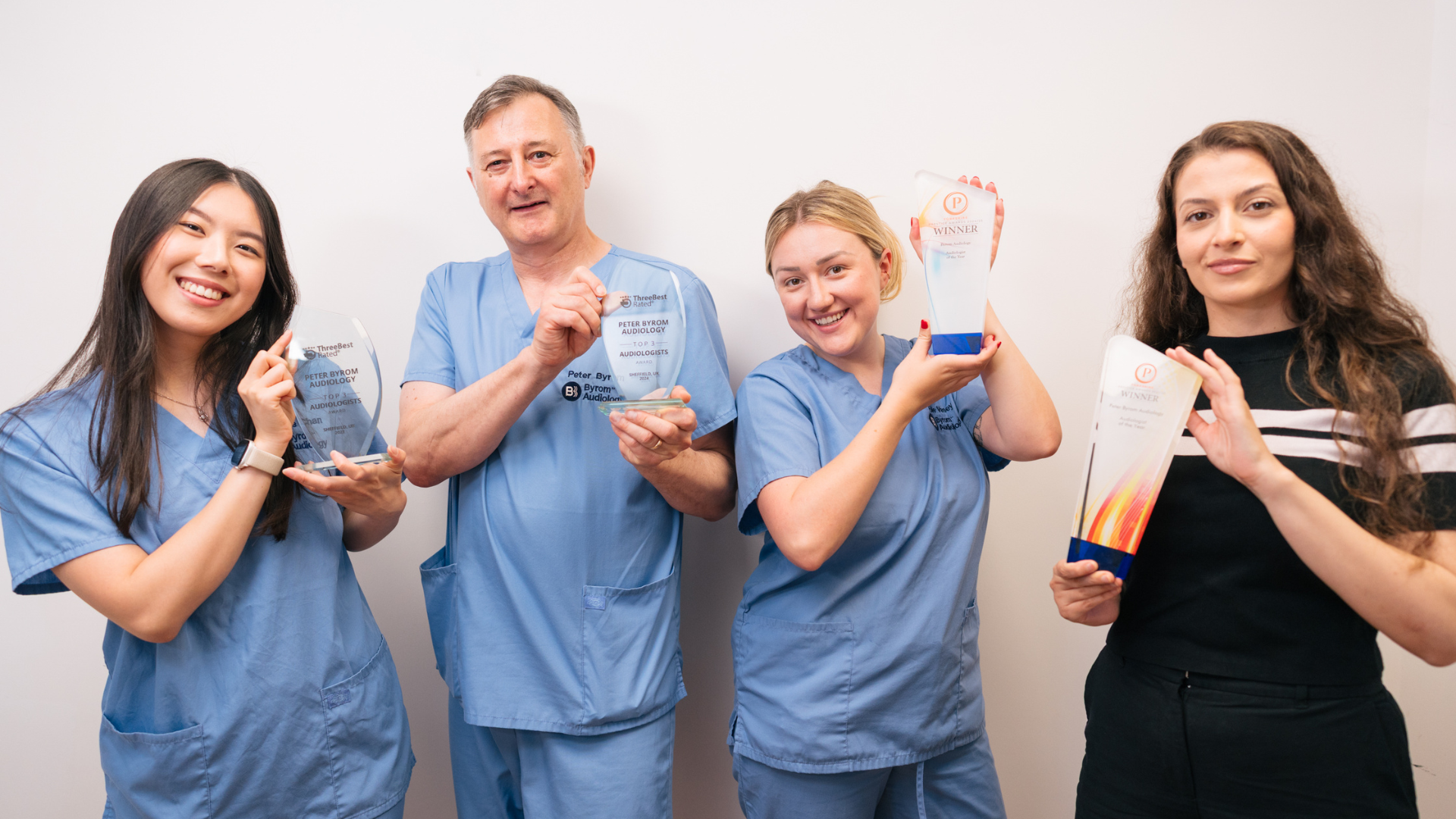
This article explains the difference between NHS, chain, and independent audiology - what each option delivers, what a private hearing assessment actually involves, and why acting on changes in your hearing sooner rather than later makes a meaningful difference. If you're unsure where to turn, or simply want to know what to expect from an appointment, this is a good place to start.
Key takeaways
- Independent audiology offers no waiting lists, no referrals, and genuinely impartial advice
- A full hearing assessment is thorough, comfortable, and usually completed in a single appointment
- Early identification of hearing loss leads to better long-term outcomes
- You don't need to see your GP first - you can refer yourself directly
Your Options for Hearing Care - and What They Actually Deliver
When it comes to audiology, there are broadly three routes available: NHS services, national hearing chains, and independent clinics. Understanding the differences matters - particularly if you need to be seen promptly, want impartial advice, or are looking for a specific treatment like earwax removal.
NHS audiology remains essential for many people, particularly those accessing hearing aids funded through the health service. But NHS waiting times have grown considerably in recent years, and an increasing number of GP practices have stopped offering earwax removal altogether. For anyone who needs to be seen quickly, the NHS pathway can involve weeks or months of waiting.
National hearing chains offer convenience and are a reasonable option for some. However, appointments can feel time-pressured, and because these businesses are often tied to specific manufacturers, the recommendations you receive may not always represent the full range of what's available or most appropriate for you.
Independent audiology clinics operate on a different model entirely. No waiting lists, no referrals required, no manufacturer ties. Every recommendation is made solely on the basis of what's right for you - your specific hearing profile, your lifestyle, and your budget. Appointments are unhurried, and the relationship between patient and audiologist is treated as central to good outcomes.
At Byrom Audiology, we operate on this independent model from our clinics in Ranmoor and Dore. The feedback we consistently receive from patients who've previously experienced NHS or chain provision is that the difference is felt from the very first appointment.
Signs You Shouldn't Ignore
Beneath every search for clinics and costs, there's usually a simpler story: someone has noticed something isn't quite right, and isn't sure whether it's significant enough to act on.
The signs are familiar. Conversations in busy environments feel disproportionately tiring. You find yourself asking people to repeat themselves more than you used to. The television volume prompts comments from others in the room. Your ears feel blocked or full. There's a ringing or buzzing that wasn't there before.
If any of these feel familiar, it's worth booking a hearing test sooner rather than later. Hearing loss develops gradually in the vast majority of cases, which means it's easy to adapt around without fully realising how much you're compensating. Early identification means more options, better outcomes, and - just as importantly - genuine reassurance if everything turns out to be fine.
For adults with no known hearing issues, a check every three to five years is generally recommended. If you're over 55, or have had significant noise exposure through work or music, annually is advisable.
What Happens During a Hearing Assessment?
One of the most common reasons people put off booking is simply not knowing what to expect. A hearing assessment at Byrom Audiology is thorough, comfortable, and - in almost all cases - completed in a single appointment. Here's what the process looks like.
1. Case history Peter or Nicole will begin by taking a full case history - covering your medical background, any hearing concerns, symptoms such as tinnitus or ear discomfort, and any other factors that could be relevant to your hearing health. This conversation matters: understanding the wider context is what allows us to make recommendations that are right for your life, not just your audiogram.
2. Otoscopy - looking inside your ears Using an otoscope, we'll examine your ear canals and eardrums for any visible issues - earwax blockage, signs of infection, or structural concerns. We use a video otoscope, which means you can see exactly what we're seeing on screen. It's a small detail that makes a real difference to how understood and informed patients feel.
3. Pure tone audiometry This is the core of the hearing test. You'll wear headphones and hear a series of tones at different frequencies and volumes. Your task is simply to indicate when you hear each tone - by pressing a button or raising your hand. This allows us to map the softest sounds you can detect across the full range of frequencies, producing a clear picture of your hearing. We adapt the testing process for people with tinnitus and for children.
4. Tympanometry This quick, painless test measures the movement of your eardrum in response to small changes in air pressure. It gives us important information about the health of your middle ear - identifying issues such as fluid behind the eardrum or Eustachian tube dysfunction that might not show up on the pure tone test alone.
5. Otoacoustic emissions (OAE) testing The OAE test measures sounds produced by the inner ear in response to a stimulus. It's particularly useful as a screening tool following ear wax removal, helping to confirm whether any remaining hearing change is related to the ear canal or to the inner ear itself.
6. Results and recommendations Based on the full picture, Peter or Nicole will explain your results clearly and discuss next steps. This might mean hearing aids, tinnitus management, a referral to ENT, or simply a baseline record and a plan to monitor your hearing over time. If an ENT referral is needed, we can arrange this directly - there's no need to go back to your GP.
Why Early Action Matters
A hearing assessment isn't just for people who are already struggling. Regular check-ups allow problems to be caught early, when there are more options available and intervention is most effective. They can also identify underlying issues - ear infections, middle ear dysfunction, or other conditions - that are straightforward to treat when caught promptly but harder to manage if left.
If you're regularly exposed to loud noise at work or through music, periodic testing is particularly important. Noise-induced hearing loss is permanent, but it's also preventable - and monitoring any changes over time means protective measures can be put in place before significant damage occurs.
Addressing hearing loss earlier rather than later has a measurable impact on quality of life. Better communication, stronger relationships, reduced cognitive load, and improved mental wellbeing are all consistently linked to timely hearing care. It's not a small thing.
What Independent Care Actually Costs
Cost is one of the most commonly searched questions in the audiology space, and it deserves a direct answer.
Earwax removal at an independent clinic typically ranges from £50-£90 for both ears, depending on the method required. At Byrom Audiology, every ear wax removal appointment includes a full ear examination and treatment by a qualified audiologist - microsuction, irrigation, or manual removal as appropriate. In the vast majority of cases, the problem is fully resolved in a single visit.
Hearing aids range considerably depending on technology level and style. What independent clinics offer that chains frequently don't is genuine impartiality - you'll be guided through the full market with honest advice on what's likely to make a meaningful difference at each price point. If cost is a concern, raise it openly. There are good options at every budget, and the right hearing aid is the one that fits your hearing and your life.
Byrom Audiology has over 150 five-star Google reviews from patients across Sheffield and South Yorkshire. We're proud of that - not as a marketing metric, but as a reflection of what patient-focused, independent care actually looks like in practice.
If you've been putting off a hearing test, or something doesn't feel quite right with your hearing, the right next step is straightforward. You can book a hearing assessment directly - no GP referral needed, no waiting list, and appointments available across both our Sheffield clinics.
Ready to Improve Your Hearing?
Join the thousands of people who have transformed their lives with better hearing. At Byrom Audiology, we’re here to help you hear better, live better, and enjoy life to the fullest!
What Our Customers Say...
Over 150 five-star Google reviews reflect our high-quality service.