
Resources
All our latest audiology news and views in one place.
National Audiology Awareness Month: Why Your Hearing Health Matters
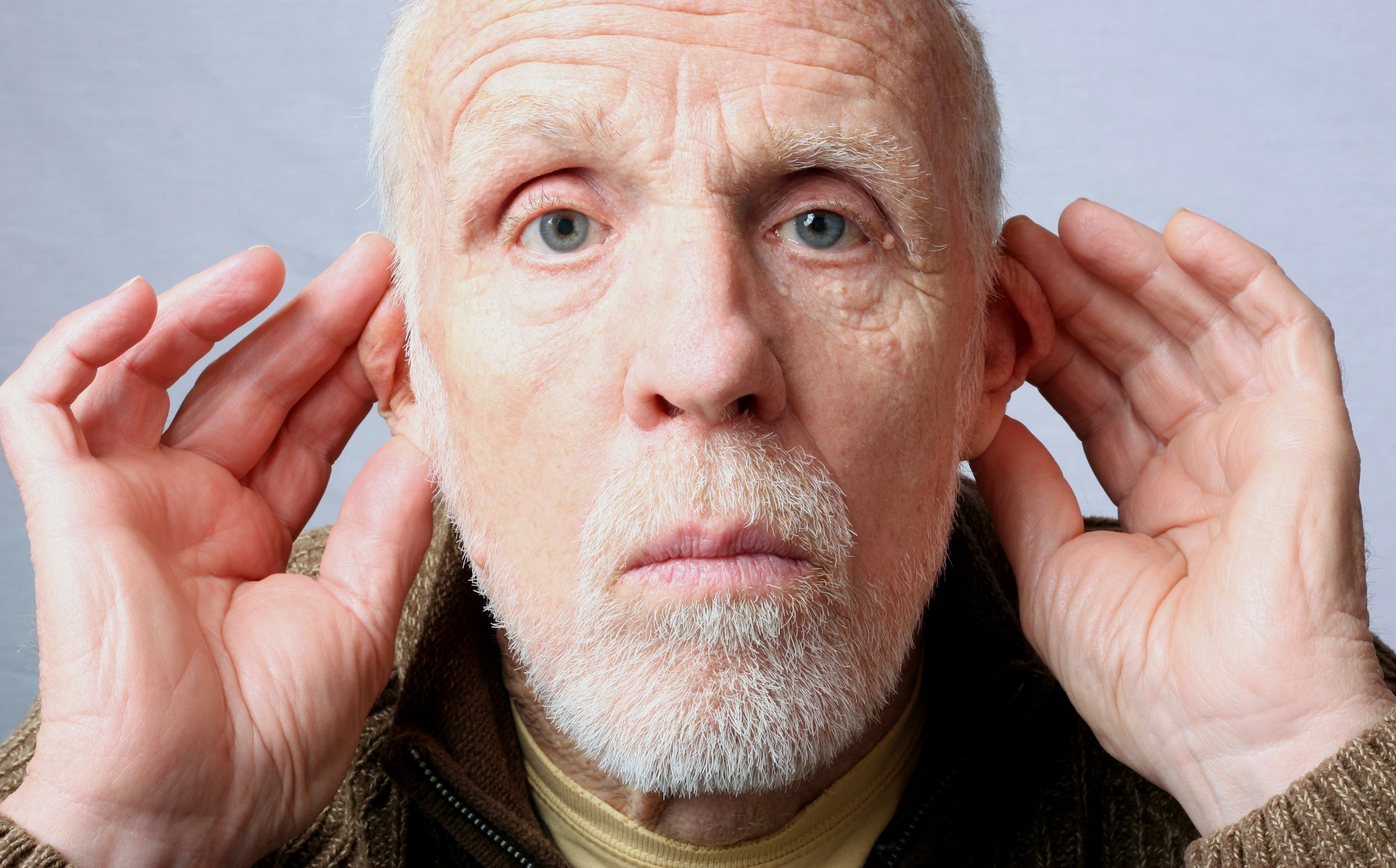
October is National Audiology Awareness Month – a chance to put hearing health in the spotlight and encourage more people to think about something that is easy to take for granted: how well we hear.
Hearing affects far more than our ability to follow a conversation. It can influence how we communicate, socialise, work, enjoy music and television, and stay connected to the people around us.
Yet hearing problems are remarkably easy to put off.
You might find yourself asking people to repeat themselves more often, turning the television up, struggling to follow conversations in restaurants or simply finding that listening takes more effort than it used to.
It is tempting to think, "It's probably just getting older." But your hearing is worth looking after – whatever your age.
Hearing loss isn't just about volume
One of the most common misconceptions about hearing loss is that everything simply becomes quieter. In reality, hearing can be much more complicated than that.
You might hear someone speaking but struggle to understand what they are saying when there is background noise. You might find certain voices particularly difficult to follow, or notice that conversations become tiring because you are concentrating so hard on listening.
And sometimes, your hearing test results don't tell the whole story.
A good audiological assessment looks at more than simply whether you can hear a series of beeps! Understanding how you hear in everyday life, where you struggle and what you want to be able to do is an important part of finding the right solution.
Why does early action matter?
It is very common for people to wait before having their hearing checked. Sometimes it is because the change has been so gradual that they have barely noticed it. Sometimes family members notice first. And sometimes there is simply a feeling that hearing loss is something you should put up with.
You don't have to.
The NHS recommends seeking advice if you think your hearing is gradually getting worse, while sudden hearing loss or hearing that deteriorates over a matter of days or weeks should be assessed urgently.
A hearing assessment can help establish what is happening and whether anything can be done to improve your hearing. And if you do have hearing loss, there are more options than ever before.
Looking after your hearing may also support your brain health
There is another important reason not to ignore changes in your hearing: hearing health and brain health are closely connected.
Research has found that people with hearing loss are more likely to develop dementia later in life, and hearing loss is now recognised as one of the modifiable risk factors associated with dementia. The exact reasons for the link are still being researched, but several factors may play a part – including the extra effort involved in trying to hear, reduced social interaction and the effect that hearing loss can have on staying connected with other people.
This doesn't mean that hearing loss causes dementia, or that someone with hearing loss will develop dementia. But it is another good reason to take changes in your hearing seriously.
Getting your hearing checked and addressing hearing loss early is one positive step you can take as part of looking after your health as you get older.
And hearing care isn't just about protecting your ability to hear conversations. It can help you stay connected, involved and engaged with the people and activities that matter to you.
Audiology is about much more than hearing aids
Hearing aids can be an excellent solution for many people, but they are only one part of modern audiology.
An audiologist can help with a wide range of hearing and ear-related concerns, including:
- Hearing assessmentsand monitoring
- Hearing loss
- Hearing aid selection, fitting and adjustment
- Tinnitus
- Earwax-related hearing problems
- Balance and vestibular problems
- Children's hearing
- Listening difficulties
- Ongoing hearing aid support and aftercare
And importantly, there isn't one hearing solution that works for everyone.
The right approach depends on your hearing, your lifestyle, your preferences and the situations in which you find listening difficult. That's why a conversation with an experienced audiologist can be so valuable.
The importance of personalised hearing care
At Byrom Audiology, we believe hearing care should be personal. We don't simply look at your audiogram and recommend a hearing aid. We want to understand what is happening in your everyday life.
Perhaps you want to hear your grandchildren more clearly. Maybe you're struggling in meetings or restaurants. Perhaps you love music and want to preserve the quality of your listening experience. Or maybe you've been wearing hearing aids for years but don't feel that you're getting as much from them as you should.
These details matter.
They help us understand what you're trying to achieve and recommend solutions that fit around your life – rather than expecting you to fit your life around your hearing aids.
And the support shouldn't stop when your hearing aids are fitted. Good aftercare is an important part of successful hearing care, which is why we make time to see our patients regularly and spend time making sure their hearing solutions continue to work for them.
Hearing technology continues to evolve
Hearing technology has come a long way. Today's hearing solutionscan be smaller, more discreet and more sophisticated than many people realise. Depending on your hearing and lifestyle, there are options designed for everything from everyday conversations to particularly demanding listening environments.
There are also solutions for people who want something very discreet or who don't want to think about wearing traditional hearing aids throughout the day.
For example, Lyric is a completely in-the-ear hearing solution that can be worn continuously and replaced approximately every six weeks.
The important thing is not to choose technology simply because it is new or impressive. The right technology is the technology that works for you.
You don't need to wait until your hearing becomes a problem
You don't have to wait until your hearing loss is severe before doing something about it. If you've noticed a change in your hearing, find yourself struggling to follow conversations, or have simply been wondering whether your hearing is as good as it could be, a hearing assessment is a sensible place to start.
And if your hearing is fine? That's useful to know too.
National Audiology Awareness Month is a good reminder that looking after your hearing should be part of looking after your overall wellbeing.
If you're in Sheffield and would like to understand more about your hearing, we're here to help.
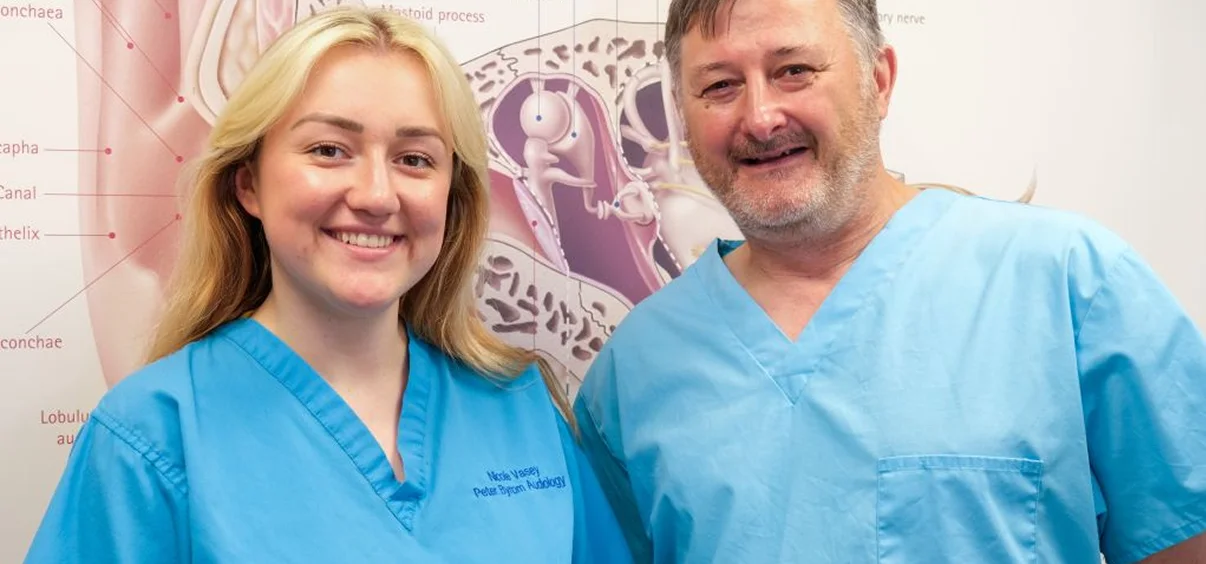
At Byrom Audiology, Peter, Nicole and Lauren take the time to understand your hearing and what matters to you – with thorough assessments, personalised advice and ongoing support.
Why not book a hearing assessment and find out more about your hearing?
If you're interested in the wider role of audiology and how the profession continues to evolve, you can also read our earlier article about why audiology awareness matters.
Ready to Improve Your Hearing?
Join the thousands of people who have transformed their lives with better hearing. At Byrom Audiology, we’re here to help you hear better, live better, and enjoy life to the fullest!
What Our Customers Say...
Over 150 five-star Google reviews reflect our high-quality service.