
Resources
All our latest audiology news and views in one place.
Why DIY Earwax Removal Is Doing More Harm Than Good
Over the past few months, we've seen a worrying trend – and the data backs it up.
Google search data from May 2025 reveals that earwax removal is one of the most searched health topics in the UK, with a spike in interest for terms like “at-home earwax removal kits”, “ear cameras for wax”, and “how to use an ear cleaning endoscope”. On TikTok and Instagram, videos of DIY earwax removal – many featuring HD camera tools or 'bubbling' drops – are going viral, racking up millions of views.
At first glance, it seems like a win for public health – people are taking an interest in their hearing and ear hygiene. But in reality, this surge is leading to more misinformation, dangerous techniques, and ultimately, more visits to clinics like mine due to complications.
So let’s talk about what’s really going on – and why DIY might not be the best way to care for your ears.
What’s Driving the DIY Craze?
According to recent consumer trends reports, sales of at-home earwax removal kits have risen by 22% in the UK over the last year, with even bigger demand in online marketplaces like Amazon. Some of the most popular devices include:
- Visual ear cleaners with built-in 1080p cameras
- LED-lit curettes and rotating tips
- Irrigation kits with bulb syringes or squeeze bottles
The appeal is obvious – these tools promise instant results, cost less than a single clinic visit, and offer the ‘satisfaction’ of seeing wax come out on camera.
In fact, the global earwax removal products market is now worth an estimated £1.6 billion, projected to reach £2.6 billion by 2034. Much of this is fuelled by the rise in self-care trends, increased use of hearing aids and earphones, and a general desire to avoid NHS wait times.
But while these kits may seem convenient, they often come with hidden dangers – and in many cases, they simply don’t work.
The Problem With At-Home Kits
In clinic, we’re seeing more and more patients come in after a DIY attempt has gone wrong. Here are some of the most common issues:
1. Pushing the wax deeper
Despite packaging claims, many of these tools – especially camera tools or curettes – do the opposite of what they promise. Instead of removing wax, they push it deeper into the ear canal, creating an impaction that becomes harder (and more painful) to remove.
2. Injury to the ear canal or eardrum
Visual cleaners give users a false sense of confidence. The ear canal is only around 2.5cm long and extremely sensitive. One slip – or just an incorrect angle – can cause cuts, bruising, or even a perforated eardrum. According to ENT UK, A&E departments saw a 12% increase in ear injuries from foreign object removal in the past year, largely linked to these new DIY devices.
3. Incomplete removal
Many kits leave residual wax, moisture, or debris behind. This can lead to ongoing discomfort, temporary hearing loss, or even infection if water remains trapped in the canal.
4. Camera reliance without clinical skill
A camera doesn’t replace clinical judgment. Knowing what you’re seeing on screen – and whether it’s wax, skin, inflammation, or something more serious – requires training. There have been several cases where people ignored early signs of infection or fungal growth, mistaking them for wax.
The Truth About Earwax
Before we go further – let’s clear something up.
Earwax isn’t dirty. It’s a natural, protective substance that traps dust, bacteria, and dead skin, preventing them from reaching the eardrum. In most people, earwax moves out of the ear canal naturally through jaw movements like talking or chewing.
You don’t need to clean your ears regularly unless:
- You produce excess wax
- You wear hearing aids, earplugs, or earbuds frequently
- You experience symptoms like muffled hearing, itching, or discomfort
Even then – the safest route is a professional check.
What We Recommend Instead
If you’re struggling with wax build-up or discomfort, here’s what we suggest:
1. Book a professional hearing health check
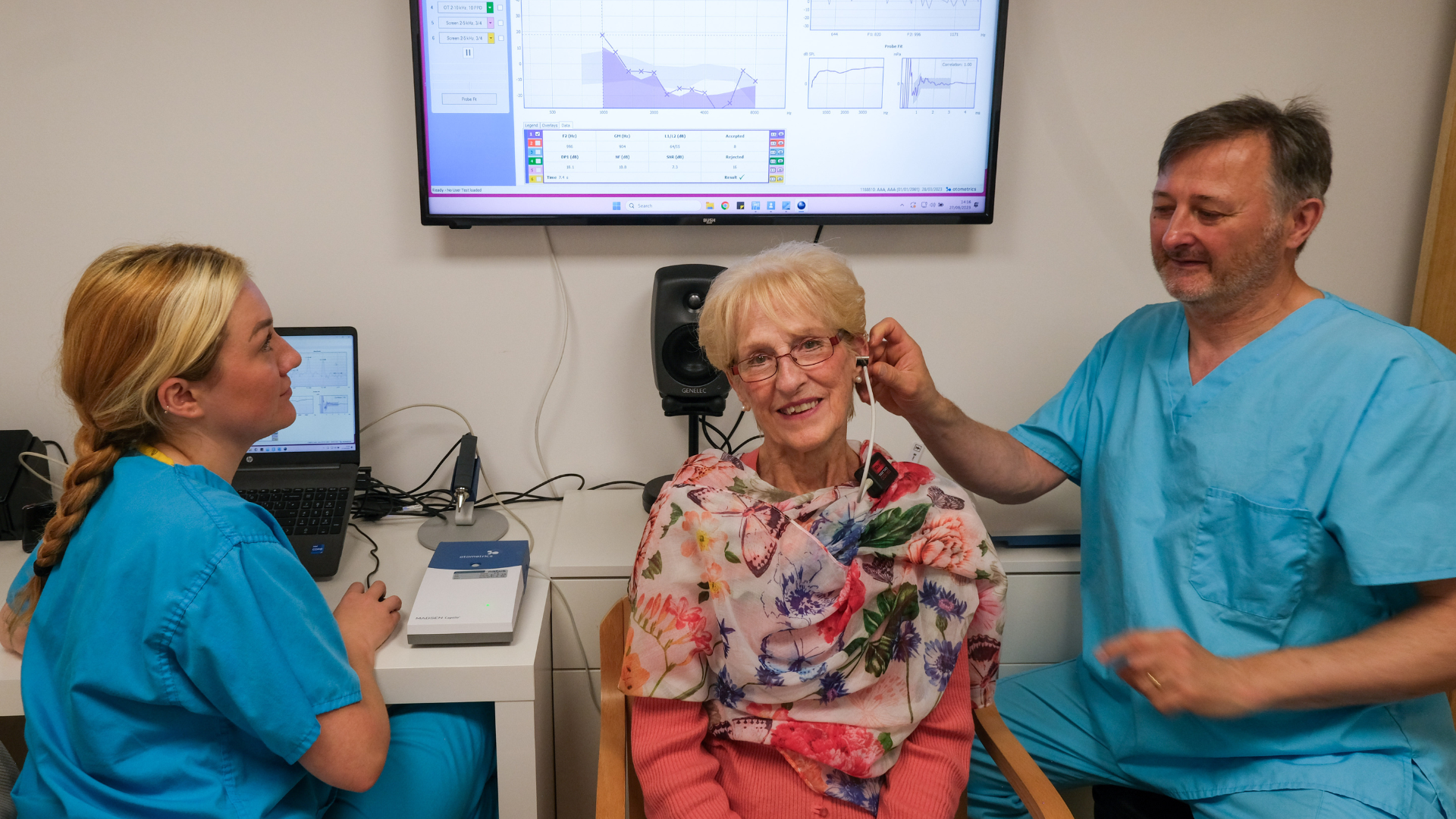
At Byrom Audiology, we offer full ear examinations using a video otoscope, so you can see exactly what’s happening in your ear. We’ll only recommend wax removal if it’s truly necessary.
Book a check-up: Hearing Tests
2. Use softening drops if advised
Over-the-counter ear drops can help soften wax, but they should be used for a few days only – not long-term. We’ll guide you on what’s safe for your ears and when to stop.
More guidance on ear care: Blog
3. Opt for microsuction
If wax does need removing, microsuction is the gold standard. It’s gentle, quick, and doesn’t involve water, reducing the risk of infection – especially for those with perforations or previous ear surgeries.
More on our wax removal service: Earwax Removal
4. Avoid cotton buds and metal tools
These are simply not designed for ear canals. No matter how tempting, never insert anything smaller than your elbow into your ear – yes, really.
The Cost of “Cheap” Solutions
You might save £25 on a kit – but if it leads to pain, infection, or hearing loss, the real cost is much higher.
Let’s Change the Conversation
The surge in searches for DIY ear cleaning tells us one thing – people care about their hearing health. That’s great news.
But it’s our job as professionals to guide that curiosity towards safe, effective solutions – not gimmicks.
So if you’re tempted by the next viral earwax gadget, take a step back. Instead, book a proper assessment, talk to a trained audiologist, and let us help you look after your ears for the long term.
Peter & The Team
Need Support?
We’re here to help – whether you’re dealing with blocked ears, new hearing aids, tinnitus, or just want a professional opinion.
Byrom Audiology, Sheffield
Call us: 0114 419 1800
Email: [email protected]
Visit: Home
Ready to Improve Your Hearing?
Join the thousands of people who have transformed their lives with better hearing. At Byrom Audiology, we’re here to help you hear better, live better, and enjoy life to the fullest!
What Our Customers Say...
Over 150 five-star Google reviews reflect our high-quality service.