
Resources
All our latest audiology news and views in one place.
Make 2026 the Year You Address Your Hearing Loss
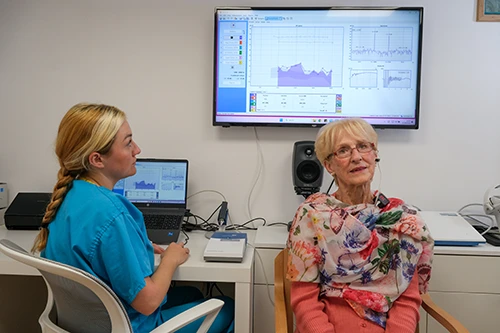
Hearing loss often develops gradually, which means it can go unnoticed for years. Many people adapt without realising it, asking others to repeat themselves, avoiding noisy environments or finding conversations increasingly tiring. Over time, these small adjustments can begin to affect communication, confidence and quality of life.
As 2026 begins, it is worth considering hearing health with the same importance as eyesight or dental care. Early assessment and appropriate support can make a significant difference, particularly when hearing changes are identified sooner rather than later.
Hearing Loss in the UK - Key Facts and Statistics
Hearing loss is one of the most common long term health conditions in the UK. Current estimates show that over 18 million people are deaf, have hearing loss or experience tinnitus. This represents around one third of the adult population.
Age related hearing loss is widespread. More than 50 percent of adults aged 55 and over experience some degree of hearing loss, with prevalence increasing steadily with age. By the age of 70, the majority of people have measurable hearing changes, whether diagnosed or not.
Hearing loss is not confined to older adults. Noise exposure, medical conditions, genetics and certain medications can all contribute to hearing difficulties earlier in life. Around 2.4 million adults in the UK report difficulty hearing most conversational speech, which can significantly affect day to day interactions at home, socially and at work.
Tinnitus and Hearing Health
Tinnitus is commonly associated with hearing loss. Around one in seven adults in the UK experience tinnitus, which may present as ringing, buzzing or hissing sounds in the ears.
For some people, tinnitus is mild and occasional. For others, it can be persistent and disruptive, affecting sleep, concentration and emotional wellbeing. While tinnitus is not a condition on its own, it is often a sign that hearing should be assessed more closely.
Why Hearing Loss Is Often Left Untreated
Despite how common hearing difficulties are, many people delay seeking professional advice. Research shows that people typically wait 10 years or more between first noticing hearing changes and having a hearing test.
This delay often occurs because hearing loss develops slowly and is easy to dismiss. Some people assume changes are a normal part of ageing, while others are unsure whether support would make a meaningful difference. Hearing checks are also not yet seen as routine in the same way as eye tests, despite their importance.
The Effects of Untreated Hearing Loss
Untreated hearing loss can have wide ranging effects beyond hearing itself.
Listening becomes more effortful, which can lead to fatigue and frustration. Over time, communication difficulties may result in reduced participation in social situations and increased isolation.
There is also growing evidence linking untreated hearing loss with increased cognitive strain. When the brain works harder to process sound, it has fewer resources available for memory and concentration. Early assessment and appropriate hearing support can help reduce this load.
In the workplace, hearing difficulties can affect communication, performance and confidence, particularly in environments with background noise or group discussion.
The Importance of Hearing Tests and Early Action
A professional hearing assessment provides clarity. It identifies whether hearing has changed, how it compares with age related expectations and whether any intervention is recommended.
Even when treatment is not required, a baseline hearing test allows changes to be monitored over time. Early identification gives more options and helps people make informed decisions about their hearing health.
Modern hearing technology has advanced significantly. Hearing aids are now discreet, highly personalised and designed to support natural listening across a wide range of environments.
Protecting Your Hearing for the Long Term
Hearing health is not only about responding to problems when they arise, but also about prevention and maintenance. Regular exposure to loud noise, whether through work, live music, hobbies or prolonged headphone use, is a common contributor to gradual hearing damage. Simple measures such as managing listening volumes, taking listening breaks and using appropriate hearing protection can significantly reduce long term risk. Combining these habits with routine hearing checks allows changes to be identified early and helps preserve hearing clarity as demands on our ears increase with age and lifestyle.
Hearing Care in Sheffield
Byrom Audiology provides independent hearing care from clinics based in Sheffield. Our focus is on thorough assessment, clear explanations and evidence based recommendations tailored to each individual.
We offer hearing tests, tinnitus support and ongoing hearing care in a calm, professional setting. Whether you have noticed changes in your hearing, are experiencing tinnitus or would like reassurance, professional advice can provide clarity and confidence.
Hearing Loss FAQs
How do I know if I need a hearing test?
If you are finding conversations more difficult to follow, especially in background noise, regularly asking others to repeat themselves, or increasing the volume on televisions and devices, a hearing assessment is recommended. Even subtle changes are worth investigating, as early identification provides more options and clearer baseline information.
How often should hearing be checked?
For adults with no known hearing issues, a hearing test every three to five years is generally advised. From the age of 55 onwards, or if you have noticed changes, more regular assessments may be appropriate. Your audiologist can advise based on individual risk factors, lifestyle and test results.
Is hearing loss always related to ageing?
No. While age related hearing loss is common, hearing difficulties can occur at any stage of life. Noise exposure, medical conditions, medications, infections and genetics can all contribute to changes in hearing. A hearing test helps determine the likely cause and extent of any loss.
Can hearing loss get worse if it is left untreated?
Hearing loss itself may progress over time depending on the cause. However, delaying assessment and support can make communication more difficult and increase listening effort. Early intervention helps manage symptoms more effectively and reduces strain on everyday listening.
Are modern hearing aids noticeable or difficult to use?
Modern hearing technology is discreet, highly adaptable and designed to fit comfortably into daily life. Devices are tailored to individual hearing profiles and listening environments, with many offering automatic adjustments and connectivity to phones and other devices. An assessment allows suitable options to be discussed without obligation.
Should tinnitus always be checked?
Yes. While tinnitus is common, particularly alongside hearing loss, it should always be assessed professionally. A hearing evaluation helps identify any underlying hearing changes and ensures appropriate guidance and management options are explored.
This year...
Hearing plays a central role in communication, connection and everyday life. Addressing hearing loss is not about assumptions or labels. It is about maintaining clarity, independence and quality of life.
If you have been considering a hearing test, 2026 may be the right time to take that step.
Peter Byrom and the team
Give us a call on: 0114 233 1800
Ready to Improve Your Hearing?
Join the thousands of people who have transformed their lives with better hearing. At Byrom Audiology, we’re here to help you hear better, live better, and enjoy life to the fullest!

What Our Customers Say...
Over 150 five-star Google reviews reflect our high-quality service.